
Today, more and more people want to build skills in video, video editing or the broadcast and film industry without having to quit their job. 📹
Whether you're an employee, an entrepreneur, a freelancer, a content creator or changing careers, taking a professional video course can be a real opportunity to grow.
But one question comes up often: is it really possible to learn video while working? The answer is ✅Yes!
Thanks to new teaching formats, remote courses and flexible learning paths, you can now learn the craft of a video editor or videographer, or build audiovisual skills, while keeping your job.
Here's everything you need to know before you start. 👇🏼
1. A video course can adapt to your work schedule
One of the main advantages of today's courses is their flexibility. 🚀
Many training providers now offer courses that are:
- Remote.
- Online.
- Recorded sessions.
- Progressive learning paths.
You can follow a few hours of training per week based on your availability, so you keep working while building new skills in editing, shooting or video production.
2. Remote video training makes it easier to get organized
Remote training has become a standard in the video industry. 👀 It lets you:
- Avoid commuting.
- Learn from home.
- Access course materials anytime.
- Rewatch modules as many times as you need.
Working professionals really appreciate this flexibility. Wherever you live, you can invest in a complete video course with no geographic constraints.
3. Video careers are learned step by step
Contrary to popular belief, you don't need to have attended film school or worked for a production company to get started. 🎬 A good course helps you learn the basics step by step:
- Camera work.
- Using a camera.
- Framing.
- Lighting.
- Video editing.
- Audio.
- Producing projects.
The goal is to make every learner able to produce professional-quality video content.
4. Editing software is accessible to beginners
Many professionals start out without any particular technical experience. Professional video courses usually include training on the main software:
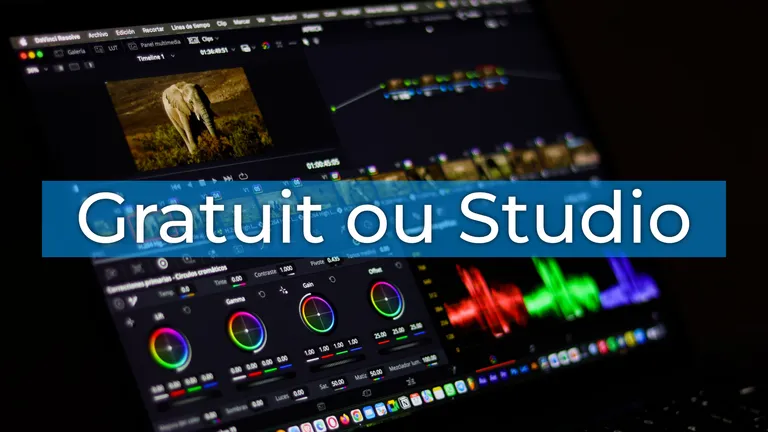
- DaVinci Resolve
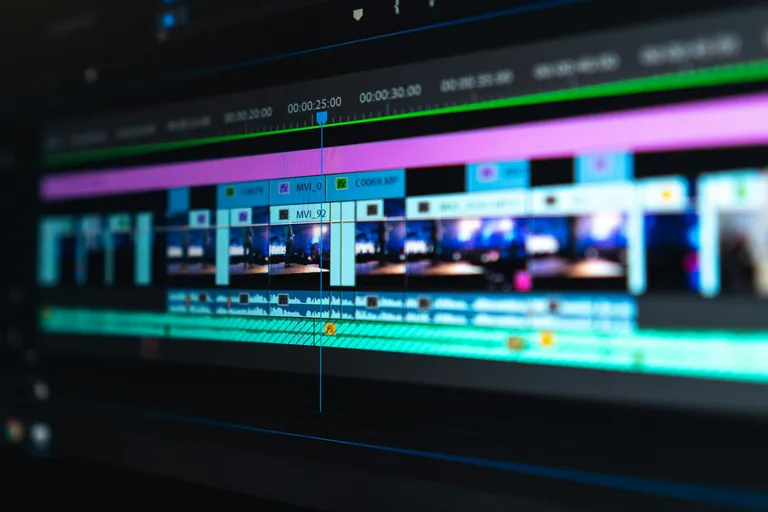
- Adobe Premiere Pro
- After Effects.
- Photoshop for graphic elements
With a structured path, you learn to:
- Organize your footage.
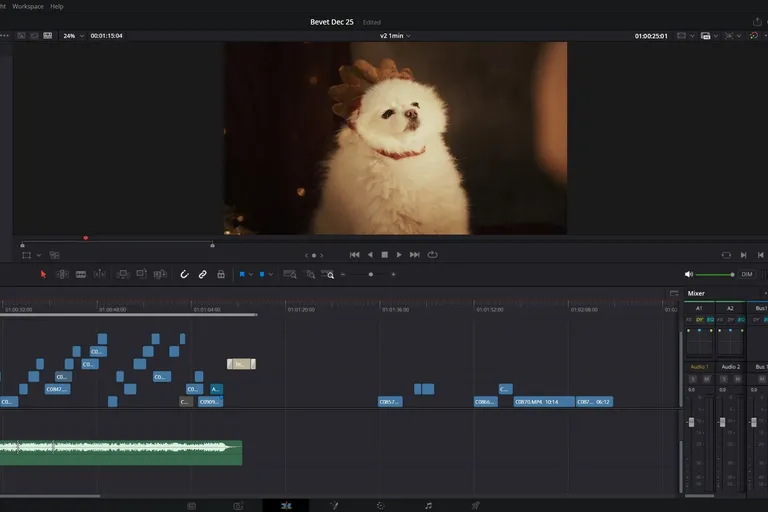
- Edit your sequences.
- Add effects.
- Work on animation.
- Export your films in different formats.
5. A video editing course can accelerate your career
Video skills are in demand in many industries today. 📈
Companies need professionals who can produce:
- Social media content.
- Communication videos.
- Corporate videos.
- Documentaries.
- Educational content.
- Marketing materials.
Building these skills can therefore help you with:
- Career growth.
- A career change.
- Taking on more responsibility.
- Starting a freelance business.
For many learners, video becomes a real career lever.
6. Hands-on projects help you learn faster
As mentioned earlier, learning video is above all about practice, and it's this hands-on experience that helps you progress quickly. 🎥
The best learning paths include:
- Practical exercises.
- Video editing projects.
- Role-play scenarios.
- Real cases inspired by the professional world.
You'll get to work on things like:
- Camera work.
- Shooting sequences.
- A variety of shots.
- Adding effects.
- Audio mixing.
7. A complete video course prepares you for several careers
Video covers many creative jobs. 🎨 Depending on your goals, a course can lead you toward becoming a:
- Video editor.
- Videographer.
- Director.
- Content creator.
- Audiovisual technician.
- Digital communications officer.
You can also use these skills to grow your own business or improve your presence on digital media.
8. Modern courses are designed for working professionals
Training providers understand the constraints of people who work. 👨💼
Learning paths are generally designed for:
- Employees.
- Independent workers.
- Entrepreneurs.
- People changing careers.
- Job seekers.
Instructors often adapt their teaching to different profiles and experience levels.
The goal stays simple: letting everyone progress at their own pace while keeping their job.
Professional video training: the key takeaways
If you're wondering whether professional video training is compatible with a job, the answer is clearly yes. ✅
Today, thanks to remote courses, online modules and flexible learning paths, you can:
- Learn video editing.
- Discover shooting techniques.
- Master professional software.
- Build in-demand audiovisual skills.
- Prepare for career growth.
- Create your own video projects.
The most important thing is to choose a course that fits your goals, your availability and your starting level.
Learn effectively with Creator Academy
Creator Academy offers coaching and courses on essential video tools, designed for professionals, content creators and anyone who wants to build concrete skills in video production.
With a progressive teaching approach, hands-on projects and structured support, you can learn to master video editing, camera work, directing and the industry's main software.
👉 Start building skills the market is looking for today, and take a video course at your own pace with Creator Academy (courses taught in French).
FAQ: Professional video training
Is a video course compatible with a full-time job?
Yes. Remote courses let you learn on your own schedule, outside of working hours.
How many hours should you spend on a video course?
It all depends on the program you choose. Most learners make progress with a few hours of practice each week.
Do you need prior experience in video production?
No. Many courses are open to beginners and cover all the basics of the craft.
Can you fund a video course with the CPF?
In France, yes: some certified courses are eligible for the CPF (personal training account). It's best to check the conditions directly with the training provider.
What jobs can you do after a video course?
Depending on your specialization, you can move into careers such as video editor, videographer, director, content creator or audiovisual communication professional.